
DeepSeek Flash 1017: Same Name, Updated Model
The official update, version evidence, and matched pelican, physics, SVG-editing and object-tracking samples—with every attempt retained.
About 10 minutes · Written against 2026-10-17 · deepseek-v4.1-flash
The same model name can point to updated weights. On October 17, 2026, DeepSeek updated V4.1 Flash to V4.1-Flash-1017 across its website, app and API. Existing calls remain compatible.
This guide explains the official change, what counts as version evidence, and what our small, reproducible tests can actually show.
deepseek-v4.1-flash; our prices remain unchanged. DeepSeek's direct API uses deepseek-flash. These are service-specific names. See the official October 17 announcement.Sources checked and samples collected on October 17, 2026. Official benchmark figures and our own observations are identified separately.
Why the name stays · Version evidence · See the samples · Cache and concurrency
How can the model change without a new API name?
An API model name can identify a continuously maintained service, while a checkpoint identifies one release of weights. The official change log records the update, and the model table maps deepseek-flash to DeepSeek-V4.1-Flash-1017.
DeepSeek also says that some legacy names, including deepseek-v4-flash and deepseek-v4-flash-vision-exp, remain accepted even though their former models have been retired: those calls are now served by the updated Flash. This describes the official API; a third-party service's mapping needs its own evidence.
What changed in 1017?
DeepSeek describes this as a minor release, with improved project development using reinforcement learning with self-feedback. The announcement discusses shorter task execution and output, and optimization for DeepSeek Harness, CodeBuddy and WorkBuddy. It recommends DeepSeek Harness 0.2.1-rc.1 or later.
Those results do not promise faster completion for every chat request. Tools, execution environments and reasoning budgets matter. The 1M context and visual capabilities should not all be presented as features first introduced by 1017.
The following figures are selected from the official model card. We have not reproduced the full benchmarks. Differences are percentage points.
| Official benchmark | Previous V4.1 Flash | 1017 | Difference |
|---|---|---|---|
| Terminal-Bench 4.0 | 31.2 | 42.3 | +11.1 |
| ProgramBench | 20.3 | 29.1 | +8.8 |
| DeepSWE v1.1 | 74.2 | 77.0 | +2.8 |
| HLE without tools | 36.8 | 42.6 | +5.8 |
The card specifies the Claude Code harness for Terminal-Bench and Mini-SWE-V2 for DeepSWE. Different test setups are not directly interchangeable.
How do you identify the version?
- Check a dated release mapping. Use DeepSeek's model table for the direct API, or the relevant service's explicit version statement.
- Pin a checkpoint when reproducibility matters. For self-hosting, record the repository commit, inference code and prompt encoding for the previous weights and the 1017 weights. For hosted calls, retain the service's version evidence, request IDs and timestamps.
- Test behavior separately. Matched prompts can help select a service. They cannot independently authenticate its weights.
model field, one correct puzzle or a convincing drawing is not sufficient version evidence.Our comparison method
We tested the previous connection A and the new connection B under the same deepseek-v4.1-flash name. A is not independently verified as the pre-update checkpoint. The samples below compare the two connections during one test window; they are not authenticated old-versus-new weight experiments. The official table above is the published version comparison.
Both used the same test machine, alternating order and one request at a time: temperature=1, top_p=1, thinking enabled, reasoning_effort=high, and max_tokens=16384. We kept every sample, without visual feedback, repair rounds or paid retries. Hidden server templates and scheduling were outside our control.
Test one: a pelican riding a bicycle
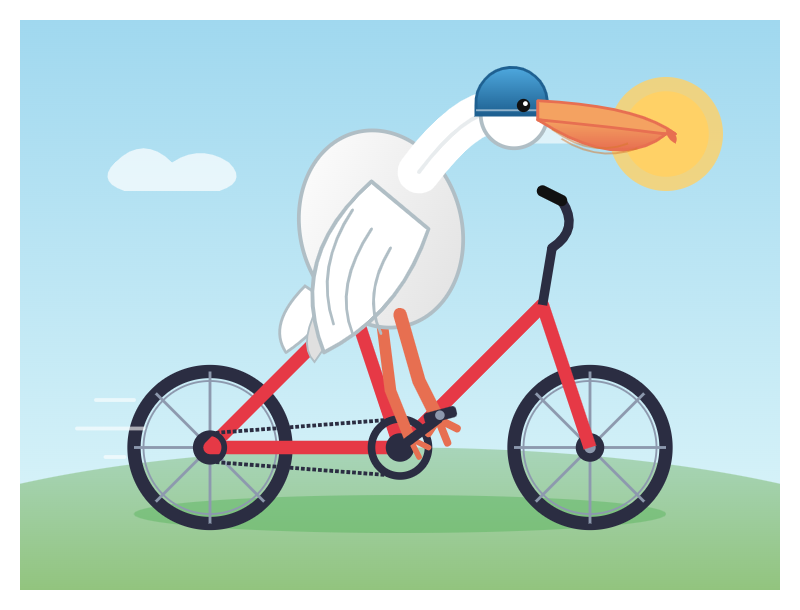
Simon Willison introduced this informal test in October 2024. His original repository uses this prompt:
Generate an SVG of a pelican riding a bicycle
Look for a recognizable pelican, a plausible bicycle and sensible contact between the rider and bicycle. Valid SVG alone is not enough. All three attempts from each connection are shown.
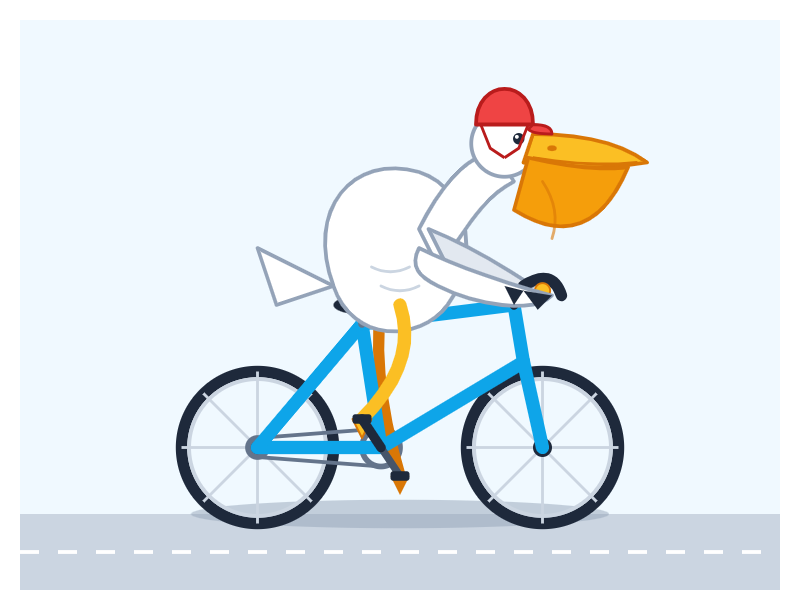
Extracted original code
Complete original answer
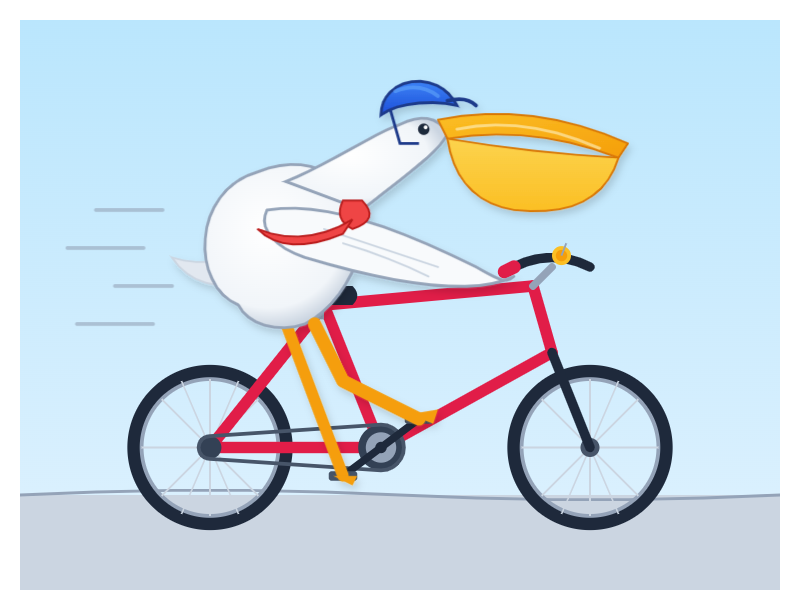
Extracted original code
Complete original answer
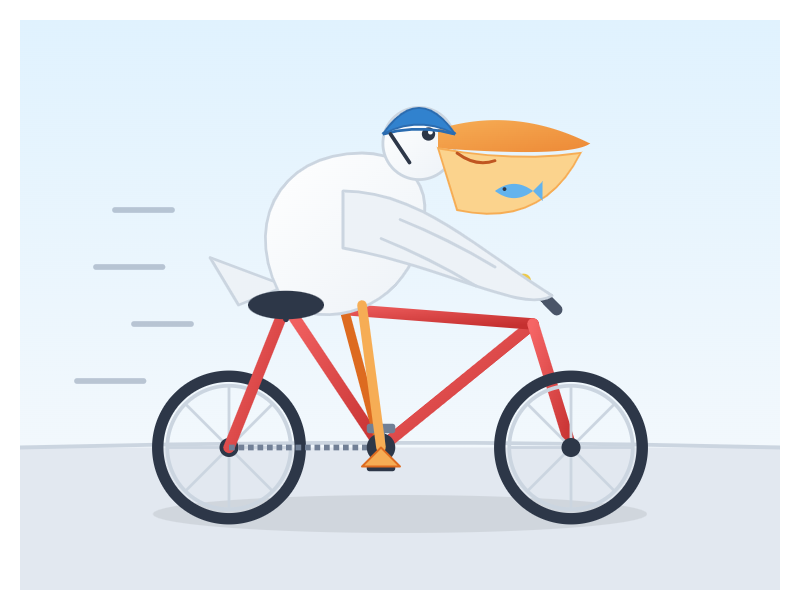
Extracted original code
Complete original answer

Extracted original code
Complete original answer
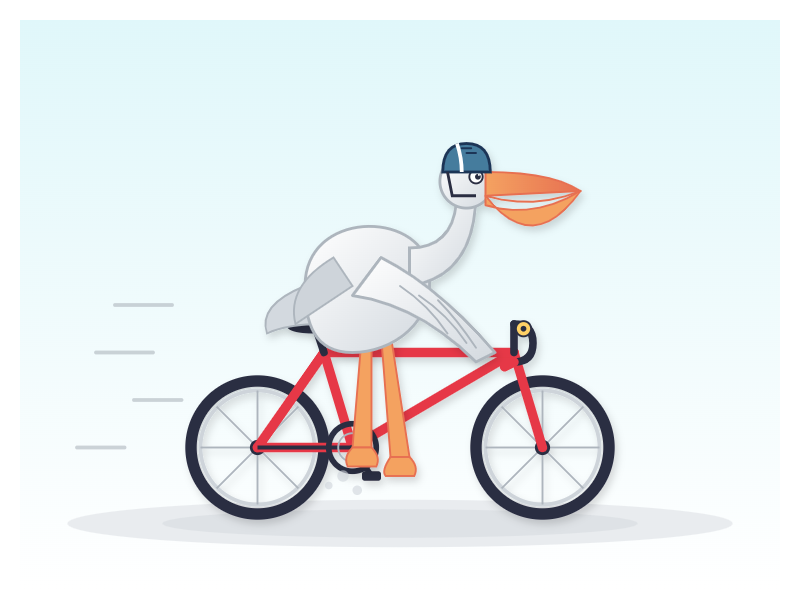
Extracted original code
Complete original answer
Extracted original code
Complete original answer
The author has also discussed training specifically for this popular prompt. A drawing is an accessible observation, rather than a general intelligence score.
Test two: a ball inside a spinning hexagon
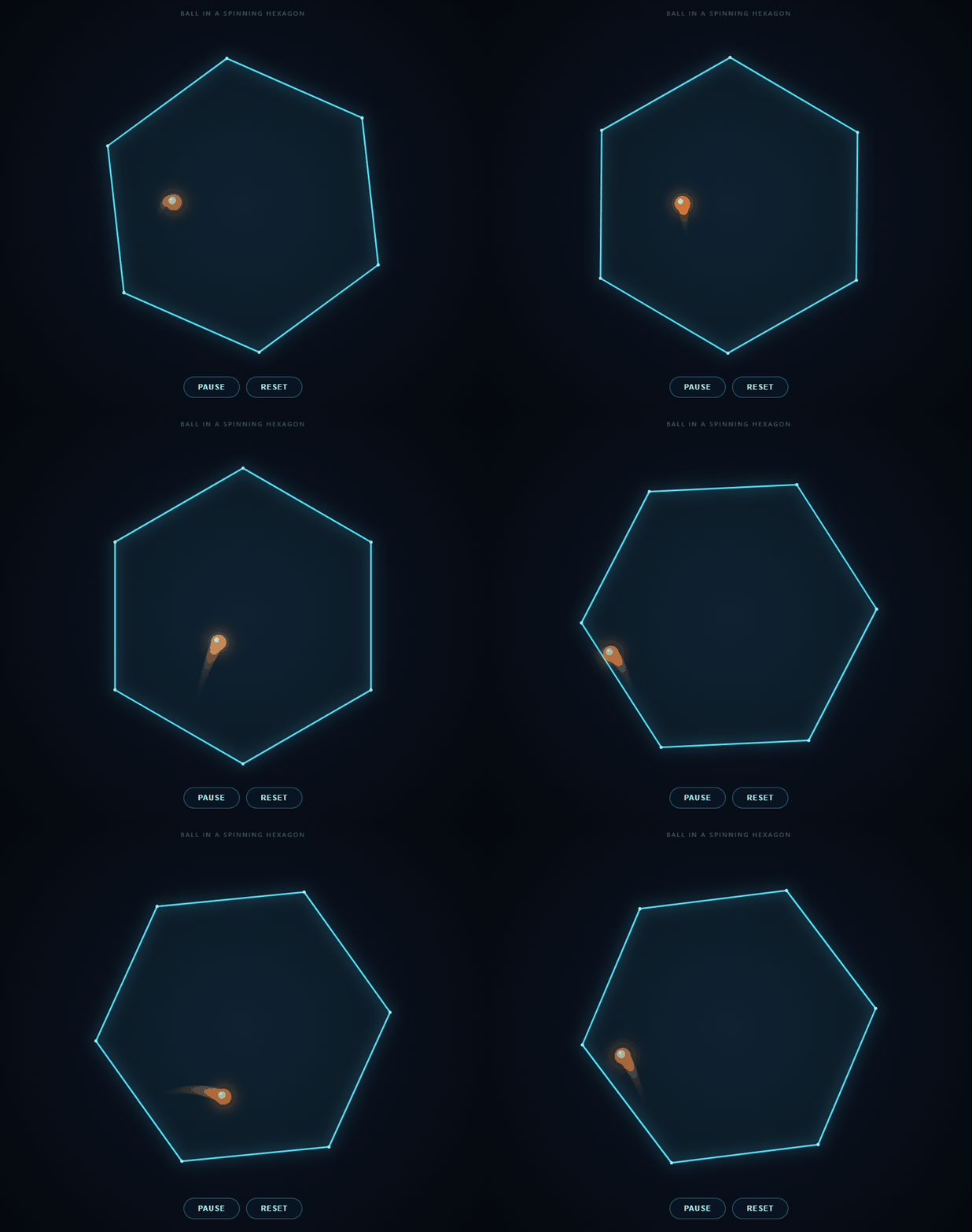
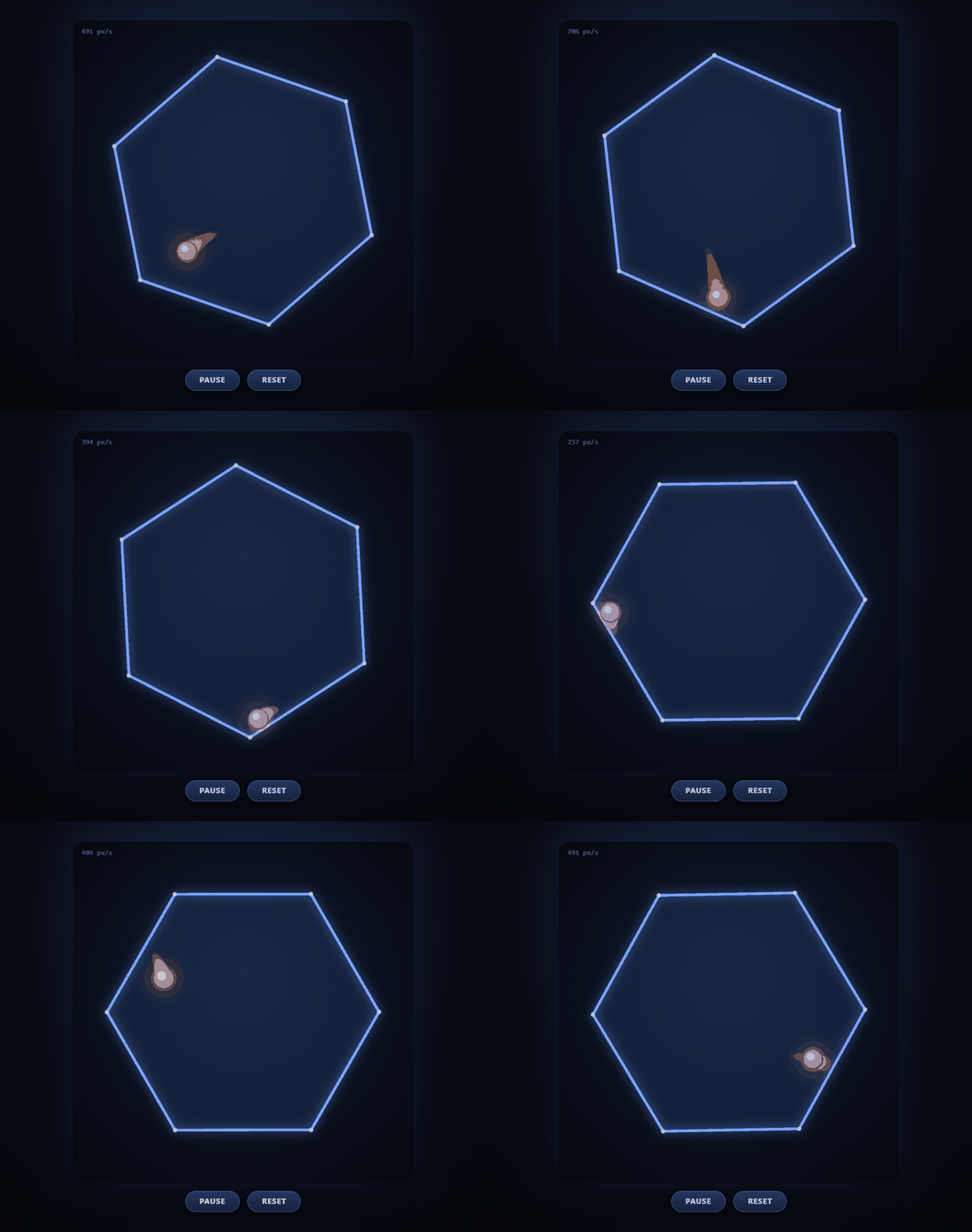
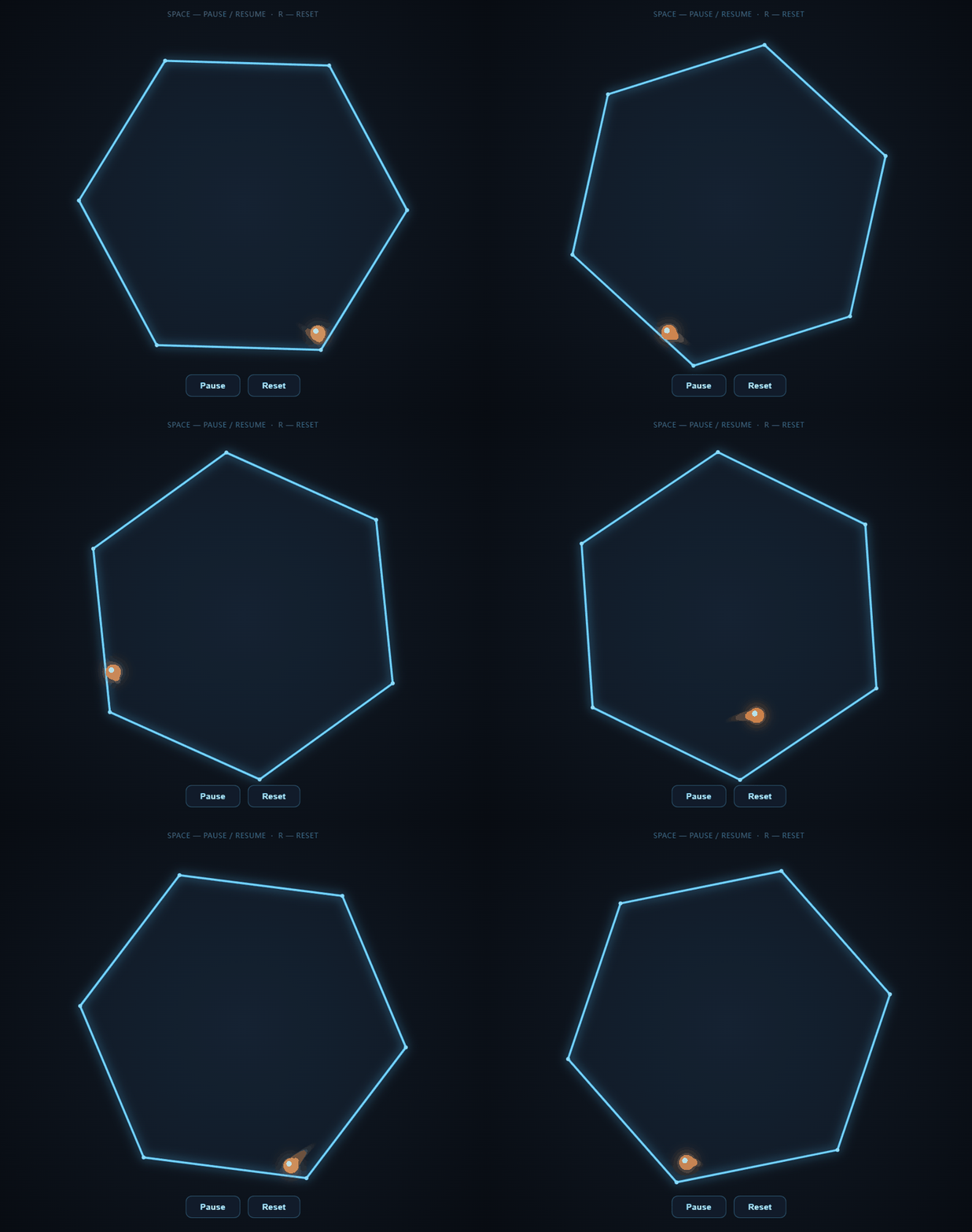
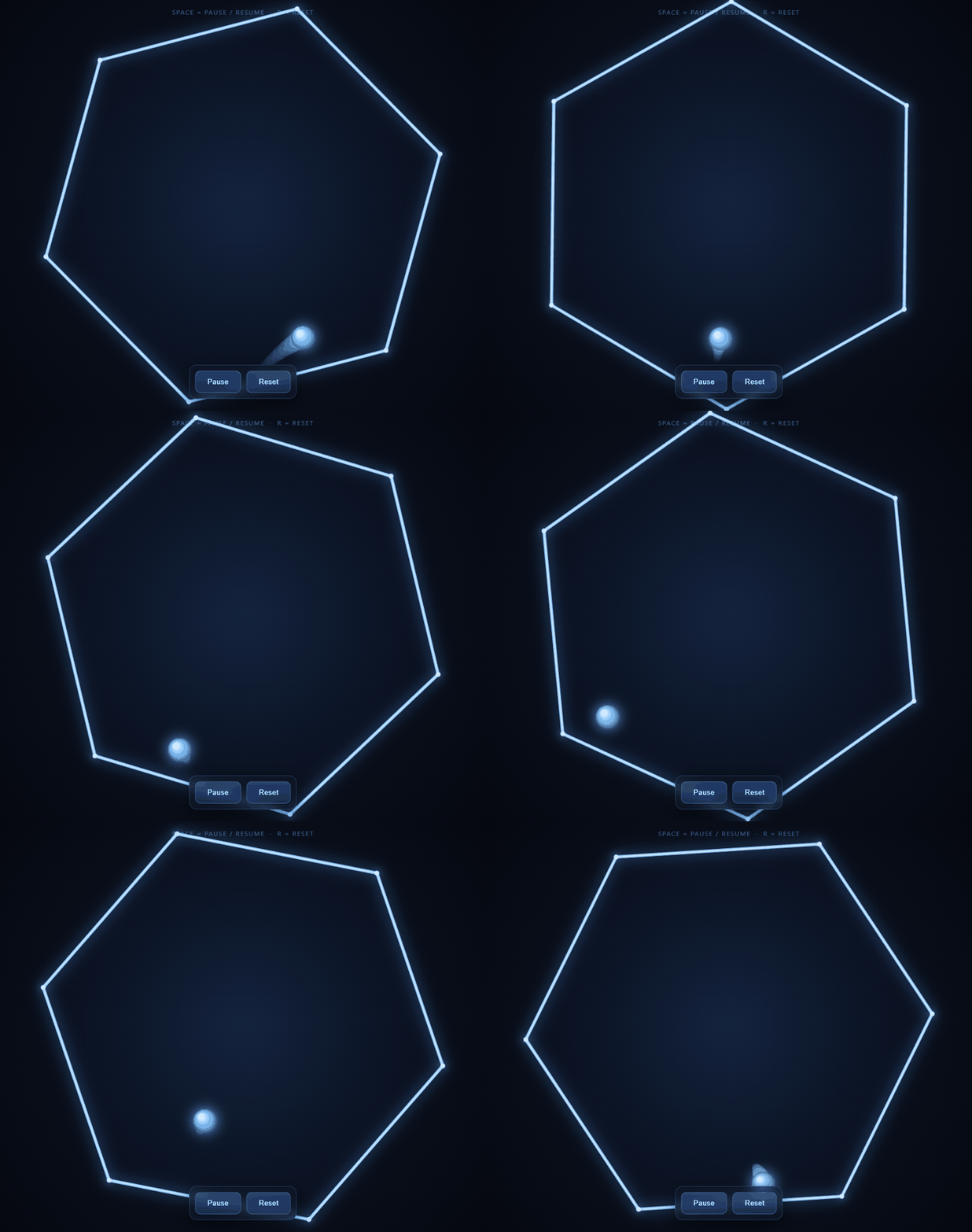
Inspired by the GitHub coding challenge, we asked for gravity, friction and collisions with moving walls. We adapted its Python task into a self-contained Canvas HTML file with Pause/Resume and Reset buttons. These are our adapted samples, not the repository's benchmark scores.
Each connection received two attempts. We checked execution and controls, and inspected the generated physics separately: an attractive screenshot does not establish a correct simulation.
Extracted original code
Complete original answer
Extracted original code
Complete original answer
Extracted original code
Complete original answer
Extracted original code
Complete original answer
| Sample | Animation/pause/resume | HTML-only format | Short boundary observation |
|---|---|---|---|
| A hexagon-1 | Pass | Fail | Samples outside by more than 2px 0/1271 |
| A hexagon-2 | Pass | Fail | Samples outside by more than 2px 0/1271 |
| B hexagon-1 | Pass | Fail | Samples outside by more than 2px 0/1211 |
| B hexagon-2 | Pass | Fail | Samples outside by more than 2px 0/1356 |
Some answers include extra prose. We extracted their complete HTML for display without repairing the program, while retaining the format failure. Boundary observations use drawing coordinates during a short run; they do not prove long-term stability or fully accurate physics.
Test three: change only the requested detail
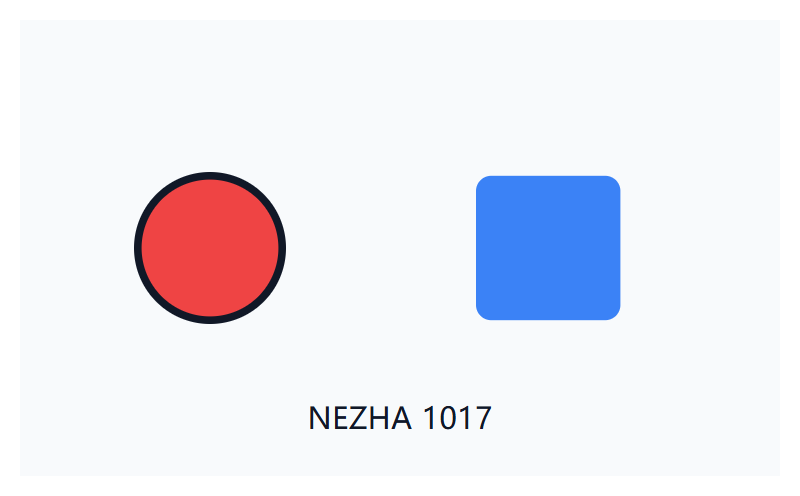
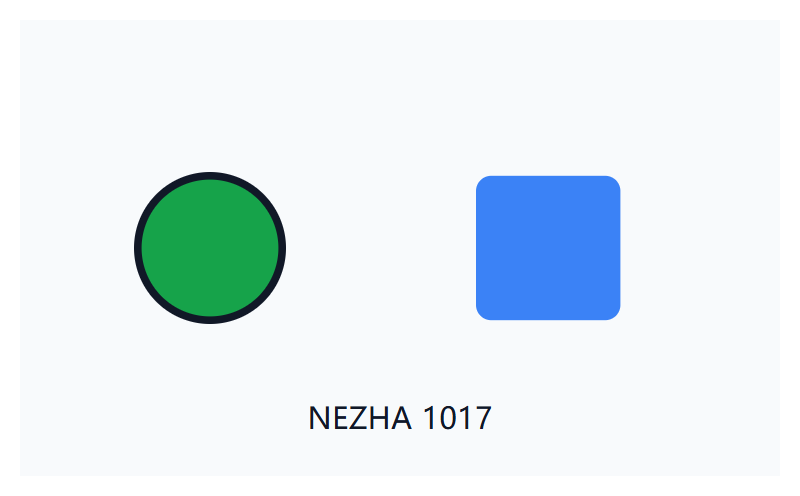
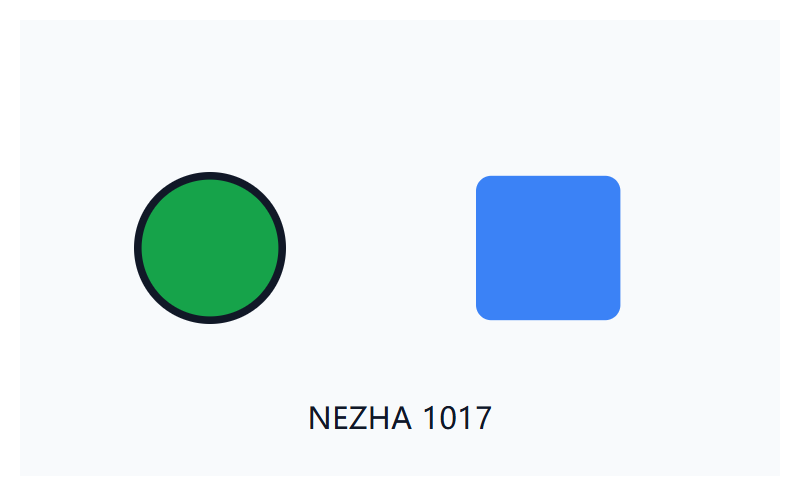
Following the local-edit idea in SVGEditBench, we created a simple SVG with a red circle, blue square and text. Two separate requests changed only the circle's color, or moved only the square 20 units left. XML comparison checks both the requested edit and preservation of all other attributes and text. We did not run the full dataset.
Extracted original code
Complete original answer
Extracted original code
Complete original answer
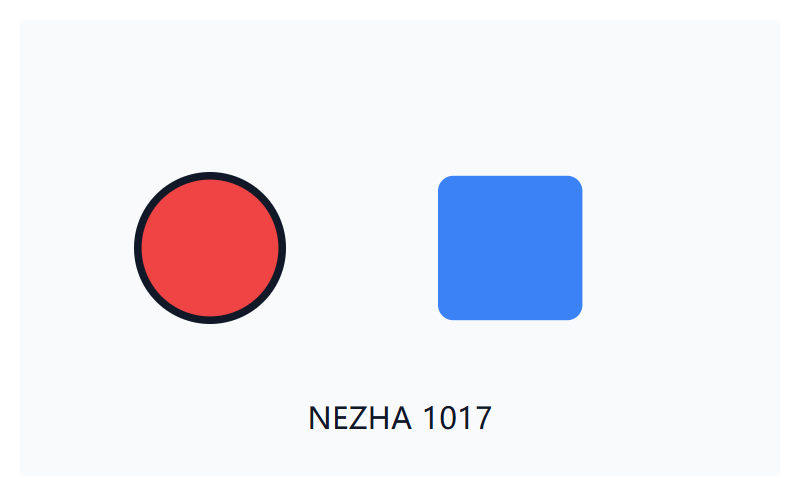
Extracted original code
Complete original answer
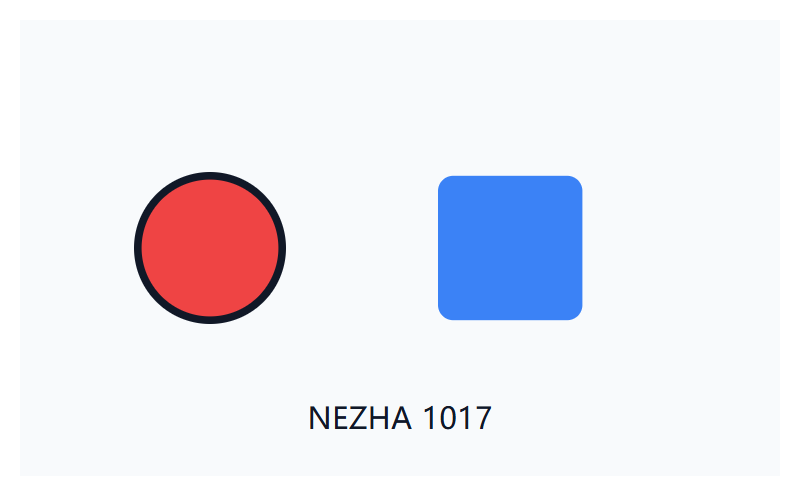
Extracted original code
Complete original answer
A: 2/2 exact-edit and preservation checks passed. B: 2/2 exact-edit and preservation checks passed.
Test four: twelve rounds of object swapping
Inspired by BIG-bench's shuffled-object task, we generated twelve independent puzzles using a fixed random seed. Seven people exchange objects 24 times per puzzle. A local simulator supplies the answer; a puzzle counts as correct only when all seven final assignments match. We also check strict JSON parsing. This is not a BIG-bench leaderboard score.
| Connection | Fully correct puzzles | JSON | Completed/stopped |
|---|---|---|---|
| A | No parseable answer | Fail | 51.65s |
| B | No parseable answer | Fail | 232.46s |
Download all prompts, parameters and locally computed puzzle answers
Cache, first content and long context
Separate service acceptance tests on the new connection produced these observations on synthetic requests:
| Test | Observation | Limit |
|---|---|---|
| Concurrency 8 | 16/16 delivered; first-content P50/P95: 9.75/12.11 s | Final answer content; reasoning is timed separately |
| Concurrency 32 | 64/64 delivered, 63/64 strictly formatted; first-content P50/P95: 28.01/39.76 s | More queueing; not a sustained-capacity guarantee |
| Repeated prefix | 14,976 of 15,134 input tokens hit cache: 98.96% | Discount verified, but one hit still took about 47 s to first content |
| Long context | 1,034,762 input tokens; all five random markers recovered | One retrieval task, not proof of arbitrary long-context reasoning or 384K output |
Stable material at the start of a prompt can support prefix reuse. Actual usage determines cache hits, which are not guaranteed immediately or on every request. See the official cache guide.
What can these results tell you?
Official sources establish a new checkpoint while the API name remains compatible. Both connections produced recognizable pelicans and bicycles in our three attempts. Completion took 24.07–40.53 seconds on A and 70.34–91.75 seconds on B; these samples do not support a blanket claim that the new connection is faster.
Both passed 2/2 local edits and 2/2 animation/control checks. All four hexagon answers violated the HTML-only format request. Neither returned final answers to the twelve puzzles within 16K tokens. A is not authenticated as the earlier checkpoint; both connections may already serve the same version. We do not attribute connection differences to the update or declare an overall winner.
Keep the existing NezhaGate model name. Evaluate your own representative documents and coding tasks before relying on a small demo. Search and Fetch, announced alongside 1017, are separate official APIs; their existence does not automatically make a third-party Chat endpoint browse the web.
Sign up and create a key in the console. Pay as you go; failed requests are never billed.
Get API Key → PricingMore guides: SillyTavern · Cherry Studio · Cline · Webhook · USDT
